How Implants Prevent Bone Loss
Houston, TX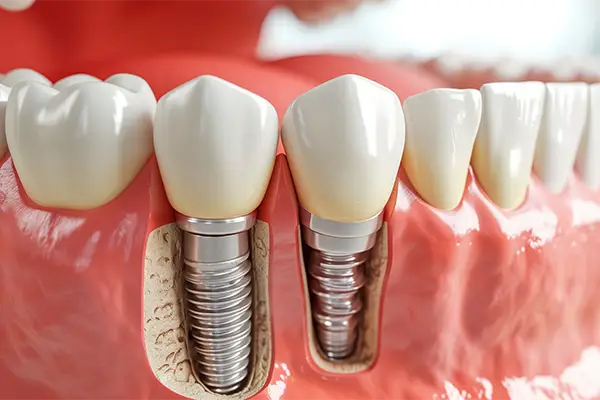 Beneath the surface, the jawbone plays a critical role in supporting facial structure, maintaining oral function, and preserving long-term dental health. When a tooth is lost, the bone that once supported it begins to change, often shrinking over time. This natural process can affect both the look and function of the smile. Dental implants offer a solution that goes beyond replacing missing teeth by helping preserve the underlying bone. By restoring stimulation to the jaw, implants help maintain strength, structure, and stability. Beneath the surface, the jawbone plays a critical role in supporting facial structure, maintaining oral function, and preserving long-term dental health. When a tooth is lost, the bone that once supported it begins to change, often shrinking over time. This natural process can affect both the look and function of the smile. Dental implants offer a solution that goes beyond replacing missing teeth by helping preserve the underlying bone. By restoring stimulation to the jaw, implants help maintain strength, structure, and stability.What Happens to Bone After Tooth Loss?The jawbone relies on regular stimulation to stay healthy. Each time a person chews or bites, pressure travels through the tooth root into the surrounding bone. This process signals the body to maintain bone density and strength. When a tooth is lost, that stimulation stops. Without continued use, the body begins to break down the bone in the area through a process called resorption. Over time, the bone gradually decreases in volume and density. This change can occur relatively quickly, with noticeable reduction in the first year after tooth loss, and it may continue for years if left unaddressed. Bone loss can lead to several oral health concerns, including:
Because of these effects, replacing missing teeth is not only about restoring appearance but also about preserving the health of the jawbone. How Dental Implants Support Jawbone HealthDental implants are designed to replace both the visible portion of a tooth and its root. The implant post is placed within the jawbone, where it serves as a stable foundation for a crown or restoration. This unique design allows implants to mimic the function of natural tooth roots. Once placed, the implant integrates with the surrounding bone. During this process, the bone grows around the implant surface, securing it in place and allowing it to function like a natural part of the mouth. When patients chew or bite, the implant transmits pressure to the jawbone, stimulating it in the same way a natural tooth root would. This continued stimulation helps prevent bone breakdown by encouraging the body to maintain bone density. Instead of shrinking due to lack of use, the bone remains active and supported. The Role of Osseointegration in Bone PreservationOsseointegration is the key reason dental implants help prevent bone loss. This biological process allows the implant to become firmly anchored within the jawbone. The result is a secure connection that provides both stability and functional support. As the implant fuses with the bone, it promotes:
Because the implant becomes part of the bone structure, it helps maintain the natural relationship between teeth and supporting tissues. This connection supports long-term oral health and helps maintain facial structure. Preventing Changes in Facial StructureJawbone loss does not only affect oral health. It can also change the shape and appearance of the face. The jawbone supports the muscles and tissues of the lower face. When bone volume decreases, these tissues may lose support, leading to a collapsed or sunken appearance. Dental implants help preserve facial structure by maintaining the integrity of the jawbone. By preventing bone shrinkage, implants support natural facial contours and help patients maintain a more youthful appearance. This structural benefit is an important advantage for individuals seeking both functional and aesthetic improvements. Comparing Implants to Other Tooth Replacement OptionsSeveral treatment options are available for replacing missing teeth, including traditional bridges and removable dentures. While these solutions restore the appearance of the smile, they do not provide the same level of bone preservation as dental implants. Traditional bridges rely on adjacent teeth for support and do not replace the tooth root. Because they do not stimulate the jawbone, bone loss may continue beneath the missing tooth. Removable dentures also rest on the gums rather than integrating with the bone, which means the jaw may gradually shrink over time. As bone changes occur, dentures may require adjustments to maintain a proper fit. Dental implants differ because they replace the entire tooth structure, including the root. This comprehensive approach allows implants to support the bone directly, helping maintain its health and strength. Long-Term Benefits of Preserving BoneMaintaining healthy jawbone structure provides several long-term advantages for oral health and overall well-being. By preventing bone loss, dental implants contribute to lasting stability and function. Benefits of preserving bone include:
These benefits demonstrate why addressing tooth loss promptly can help protect both immediate and future oral health. Who May Benefit From Dental Implants?Dental implants may be recommended for individuals who have lost one or more teeth and want a solution that supports long-term oral health. Candidates typically have healthy gums and sufficient jawbone structure to support the implant. In some cases, procedures may be recommended to strengthen the bone before implant placement. A comprehensive consultation at Frank Dunlap, DDS allows our dental team to evaluate oral health, discuss treatment goals, and determine whether implants are an appropriate option. Care is always focused on patient comfort, clear communication, and personalized attention throughout the process. The Importance of Early TreatmentAddressing tooth loss early can help reduce the extent of bone changes. The longer a tooth remains missing, the more bone may be lost in the area. Early treatment with dental implants can help preserve existing bone and prevent further deterioration. Timely care also supports better long-term outcomes, as maintaining adequate bone structure can simplify treatment and improve overall results. Patients who seek care soon after tooth loss often experience more predictable and lasting benefits. A Comfortable and Supportive ExperienceChoosing to restore missing teeth is an important decision. Our welcoming environment and compassionate approach help patients feel confident and comfortable throughout their care. From the initial consultation through treatment and follow-up visits, every step at Frank Dunlap, DDS focuses on patient well-being and long-term oral health. Patients receive clear guidance, personalized attention, and support designed to help them achieve a healthy, functional smile. Treating patients like family means prioritizing comfort, listening to concerns, and delivering care with understanding and respect. Protect Your Smile and Jawbone HealthDental implants provide more than a replacement for missing teeth. By restoring stimulation to the jawbone, they help prevent bone loss, preserve facial structure, and support long-term oral health. This advanced approach offers lasting benefits that protect both the function and appearance of the smile. If you are experiencing tooth loss or want to learn more about how dental implants can help maintain your jawbone health, our team is here to help. Your comfort is our priority, and every patient is treated like family from the moment they arrive. Schedule a consultation by calling (346) 576-4411. We will help you explore your options and take the next step toward a stronger, healthier smile. |
